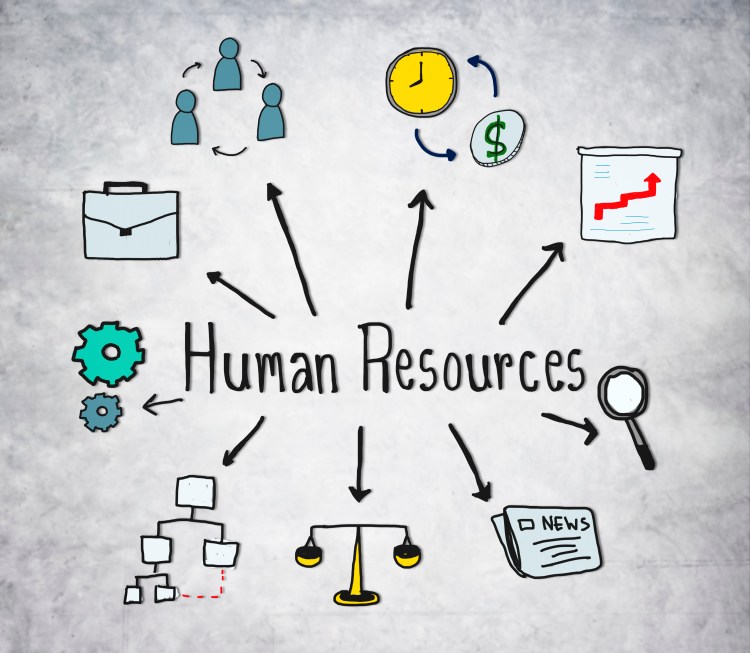
Hello, Hello, Hello. In the previous post, I introduced the role of human resources, which can be both operative and strategic. Operational HR is concerned with the day-to-day operations required to meet the needs of the employees. In contrast, strategic HR management is concerned with predicting outcomes and ensuring that your company has enough qualified human capital to meet its objectives. These two sides of human resources are both critical to the success of a company
OPERATIVE HRM
The operative side of human resources can be considered visible and tangible because they meet the daily needs and respond to the issue that an employee might have, for example:
- Recruiting and Onboarding
- Training and Development
- Compensations and Benefits
- Grievance
- Handling leaves requests, maternity, etc
STRATEGIC HRM
Strategic HR management is defined in two ways as a process or outcome. Snell et al., (1996, p. 62 cited in Bamberger and Meshoulam, 2000) state that ‘strategic HRM’ is an outcome: ‘as organizational systems designed to achieve sustainable competitive advantage through people. Ulrich (1997, p. 89 cited in Bratton, 2017) Instead views it as a“process of linking HR practices to business strategy”.
SHRM, in summary, looks at the business objectives and lays out a plan for generating value through the organization’s workforce by creating policies and procedures to follow, for example:
- Create a SWOT analysis of the company
- Develops Recruitment, Training and Compensation
- Encourage Innovative Ideas
- Monitor & Evaluate
In conclusion, the timeline is the main difference between the two sides of HR. Strategic human resource management considers an organization’s long-term vision, while operational human resource management is more transactional.
Like, Share and Subscribe.
CIAO
References
- Bamberger, P. and Meshoulam, I., 2000. Human resource strategy. SAGE Publications.
- Bratton, J., 2017. Human resource management. London: Palgrave Macmillan.
 One Yellow Journal